




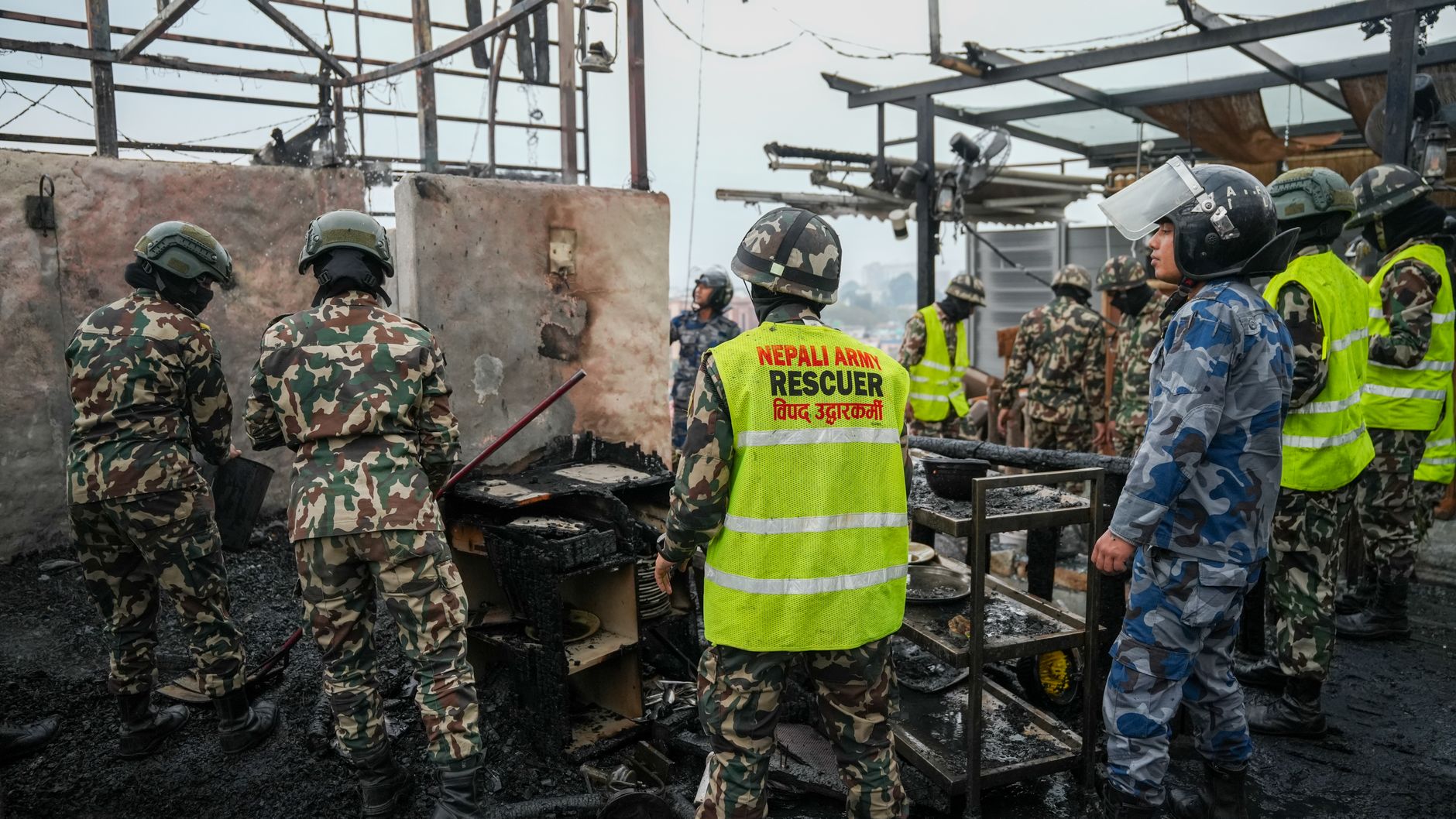
Nepal hydropower tunnel rescue: Two people found alive!
The Nepal hydropower tunnel rescue operation has successfully saved two individuals who were trapped inside a tunnel. This remarkable effort highlights the dedication of rescue teams in challenging conditions.
Overview of the Rescue Operation
In a remarkable turn of events, a rescue operation in Nepal has led to the successful extraction of two individuals trapped in a hydropower tunnel. The operation unfolded after an extensive search effort involving multiple agencies and local volunteers, who worked tirelessly to locate the missing individuals.
The rescue began when reports emerged that workers had become trapped due to a sudden incident within the hydropower facility. As the situation developed, emergency services quickly mobilized, deploying advanced equipment and skilled personnel to navigate the challenging conditions inside the tunnel.
Rescuers faced numerous obstacles, including unstable terrain and limited visibility, which complicated their efforts. However, their determination paid off when two individuals were found alive, providing a glimmer of hope amidst the turmoil. Eyewitnesses recounted the moment rescuers emerged from the tunnel, celebrating the successful operation and the safe recovery of the trapped workers.
This incident has drawn attention to the safety protocols in place at hydropower sites across Nepal, prompting discussions about the need for improved measures to prevent such occurrences in the future. The Nepal hydropower tunnel rescue has not only highlighted the skill of the rescue teams but also the resilience of the individuals involved.
Challenges Faced by Rescuers
The rescue operation to save two individuals trapped in a hydropower tunnel in Nepal has proven to be fraught with challenges. Rescuers faced numerous obstacles that complicated their efforts to reach the victims safely.
- Unsafe Conditions: The narrow and unstable environment of the tunnel posed significant risks to the rescue teams. The potential for further collapses made it imperative to proceed with caution.
- Limited Access: The tunnel’s design and depth restricted the movement of heavy equipment, forcing rescuers to rely on hand tools and manual labor to clear debris and create a path.
- Communication Issues: Maintaining communication with those trapped was challenging due to the tunnel’s structure, making it difficult to assess their condition and provide reassurance.
- Time Constraints: As hours turned into days, the urgency of the situation increased. The longer the individuals remained trapped, the more critical their health and safety became.
- Environmental Factors: Heavy rainfall in the region raised concerns about flooding within the tunnel, further complicating the rescue efforts.
Despite these difficulties, the successful rescue of two people from the Nepal hydropower tunnel stands as a testament to the determination and bravery of the rescuers involved.
The Condition of the Survivors
The condition of the survivors from the Nepal hydropower tunnel rescue operation has been a topic of great concern and interest. After their dramatic recovery following several days trapped underground, the two individuals are now receiving medical attention at a local hospital.
According to medical officials, both survivors are in stable condition, having endured significant physical and emotional stress during their time in the tunnel. Initial assessments indicate that they are suffering from dehydration and fatigue but are responding well to treatment.
The survivors, who were part of a construction team, expressed relief and gratitude upon their rescue. One of them stated that they remained hopeful throughout the ordeal, sharing stories to keep their spirits up. The other survivor emphasized the importance of teamwork, both during the rescue and in their previous work efforts.
As the community rallies around the survivors, local authorities have pledged to support them in their recovery. Psychological counseling is also being arranged to help them cope with the trauma of their experience. The success of the Nepal hydropower tunnel rescue has sparked discussions on improving safety protocols in similar construction projects to prevent future incidents.
Community Response to the Rescue
In the wake of the successful rescue operation, the community has rallied together to support the families of the survivors. Local residents expressed overwhelming relief and joy upon hearing the news of the two individuals found alive in the Nepal hydropower tunnel. Many gathered at the rescue site, sharing stories and offering prayers for the safe return of those trapped.
Community leaders have organized support groups to provide emotional and logistical assistance to the families affected by the incident. Local businesses have also stepped in, donating food and supplies to those waiting for news. “It’s a miracle that they were found alive,” said one resident. “We are all united in hope and support during this difficult time.”
Additionally, social media has played a vital role in mobilizing support, with residents sharing updates and encouraging donations for the rescue teams. The incident has sparked conversations about the importance of safety measures in such projects, prompting calls for enhanced regulations to protect workers in the future.
As the community continues to support the rescue efforts, their solidarity exemplifies the strength and resilience of the people, further highlighting the significance of the Nepal hydropower tunnel rescue in their lives.
Future Implications for Hydropower Safety
The recent rescue of two individuals from a Nepal hydropower tunnel highlights significant concerns regarding the safety protocols in place for such projects. As hydropower continues to be a crucial energy source for Nepal, it is essential to evaluate and reinforce safety measures to prevent similar incidents in the future.
Experts suggest that a comprehensive review of existing safety standards is necessary. Key areas of focus should include:
- Regular inspections: Ensuring that tunnels and associated infrastructure undergo frequent safety checks to identify potential hazards.
- Emergency preparedness: Developing robust emergency response plans and conducting regular drills to ensure that workers are trained to respond effectively in crisis situations.
- Worker training: Implementing mandatory safety training for all employees involved in hydropower projects, emphasizing risk awareness and emergency procedures.
- Community engagement: Involving local communities in safety planning to foster a culture of safety awareness and collective responsibility.
As Nepal moves forward with its hydropower initiatives, prioritizing these safety considerations will not only protect lives but also enhance the sustainability and reliability of the nation’s energy resources.
Government Involvement in Rescue Efforts
The government of Nepal has taken significant steps to support the ongoing efforts in the hydropower tunnel rescue operation. Following the incident, which left two individuals trapped, authorities mobilized various resources to ensure a swift and effective response.
The Ministry of Energy has been actively involved, coordinating with local agencies and rescue teams. They have emphasized the need for safety protocols to prevent similar incidents in the future. Key actions taken by the government include:
- Deploying specialized rescue teams equipped with advanced technology.
- Providing medical assistance to the survivors and psychological support for their families.
- Conducting an immediate investigation into the circumstances surrounding the incident.
Additionally, officials have urged for a comprehensive review of safety measures at all hydropower facilities across the country. The incident has raised awareness about the potential risks associated with hydropower projects, pushing for stricter regulations and better training for workers.
As the rescue operation continues, the government’s involvement remains crucial in ensuring the safety and well-being of all those affected. Experts believe that the outcomes of this hydropower tunnel rescue could lead to significant changes in the industry moving forward.
Expert Opinions on Tunnel Safety
Experts in engineering and safety have weighed in on the recent Nepal hydropower tunnel rescue, highlighting both the risks involved in tunnel construction and the importance of strict safety protocols. Many have pointed out that while the rescue operation was successful, it raises critical questions about the working conditions in such high-risk environments.
Dr. Rajesh Thapa, a structural engineer specializing in tunnel safety, emphasized the need for enhanced monitoring systems. He stated, “The rescue underscores the urgent need for better safety measures in hydropower projects. Regular inspections and updated emergency protocols could save lives.”
Similarly, Ms. Anita Gurung, a safety consultant, noted the psychological toll on workers in the industry. She mentioned, “Incidents like these can create a culture of fear among workers. It’s essential for companies to foster an environment where safety is prioritized, and concerns can be raised without hesitation.”
Moreover, experts suggested that the government should play a more proactive role in enforcing safety regulations. Mr. Sanjay Joshi, an industry analyst, remarked, “We must learn from this incident and implement changes to prevent future tragedies in Nepal’s hydropower sector.”
As the community celebrates the rescue, the focus now shifts to long-term safety improvements in hydropower operations.
Updates on Ongoing Rescue Operations
Rescue operations continue to unfold in the aftermath of the incident at the Nepal hydropower tunnel, where the successful recovery of two survivors has sparked hope among the community and rescue teams. As efforts persist, officials have reported that a dedicated team of experts is working tirelessly to ensure the safety of any remaining individuals trapped within the structure.
According to the latest updates, rescuers are using advanced equipment to navigate the challenging terrain within the tunnel. They are focusing on securing safe access points to facilitate further extrications. The search operations are being conducted around the clock, with teams rotating shifts to maintain a high level of vigilance.
Challenges still loom large, including potential structural instability of the tunnel and the risk of further collapses. Rescuers are also contending with limited visibility and the presence of water accumulation within the tunnels, which complicates their efforts.
Community members have expressed their unwavering support for the rescue teams, providing food and supplies to those working tirelessly on the ground. The focus remains steadfast on the ongoing rescue operations, with hopes rising for a successful outcome as crews press on with determination and courage.
The Nepal hydropower tunnel rescue operation has garnered international attention as rescue teams continue their efforts. Authorities are hopeful that more survivors may emerge from the challenging conditions within the Nepal hydropower tunnel rescue site.
Photo by Bijen Amatya on Pexels
Sources
Related reading
